Argentine Tango
Argentine tango is a partner dance and a musical genre born at the end of the 19th century in Buenos Aires and Montevideo. Here we tell you about its origins, the meaning of the word “tango”, how its music has changed and which are the most famous songs.
The origins of Argentine tango
Argentine Tango, or more correctly “rioplatense” tango – since it developed in the countries along the Río de la Plata – was born at the end of the 19th century from a mix of musical styles with very different cultural roots: those of the sailors arriving from all over Europe, of the Spanish and Italian immigrants, and of the Black population who, freed from slavery, lived on the outskirts of Buenos Aires. This new music therefore has humble origins. Its “parents” are the Milonga, which comes from Candombe (a rhythm brought to Uruguay and Argentina by African slaves), the Habanera and Italian song, but it was also influenced by German, Polish and French music.
Meaning and etymology of the word “tango”
The origin of the word “tango” itself is uncertain. Some trace it back to “tambor“, meaning “drum”, an instrument so common in the Black neighbourhoods at the end of the 19th century that they were called “barrios del tambor“. But “tango” was also the name of the place in Africa where slaves were gathered before being shipped to South America.
From the outskirts to the salons of Paris
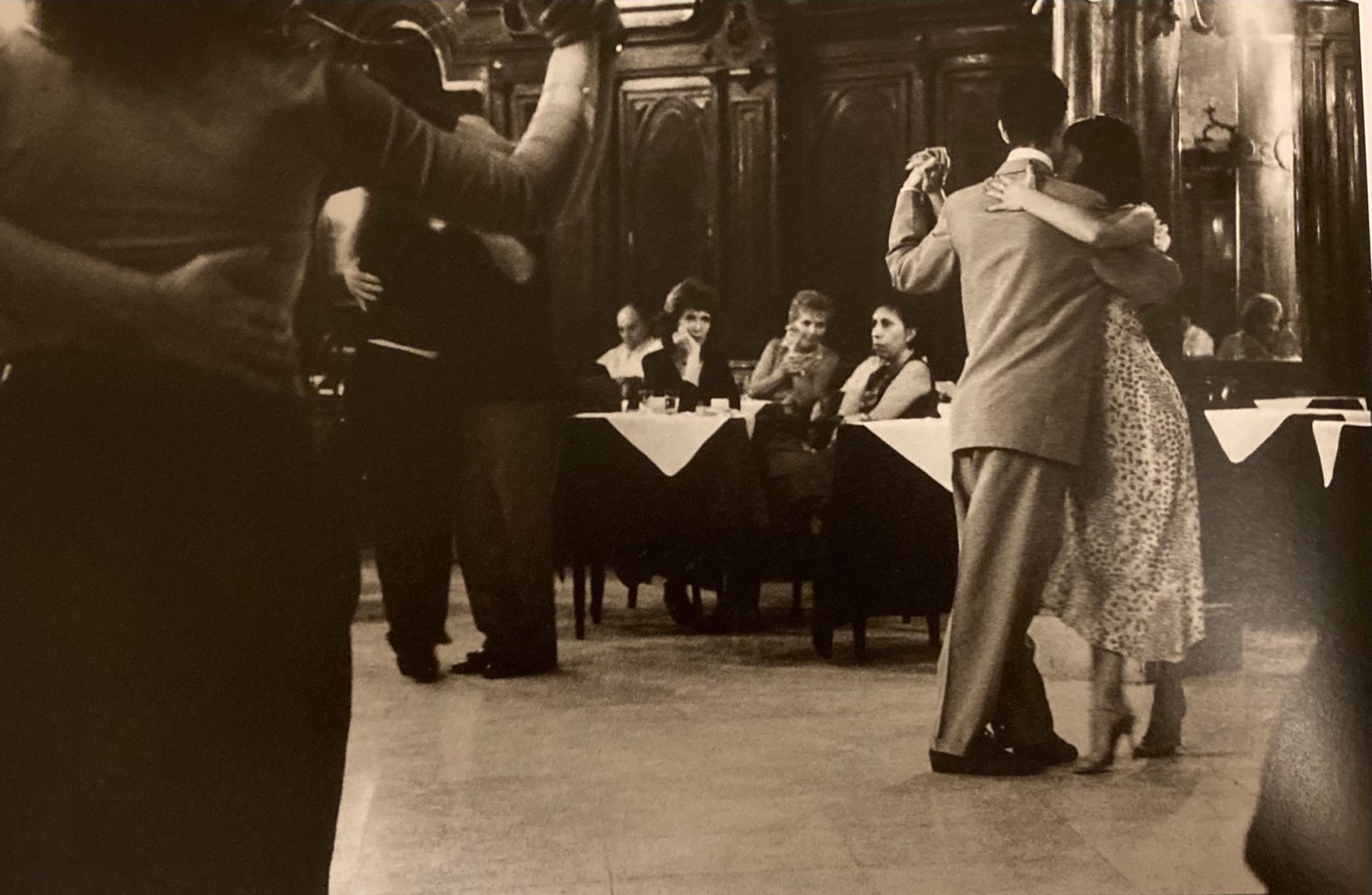
Tango was danced on the outskirts, in the poorest neighbourhoods. In the city it was hard to find women willing to try these steps, where the legs come so close and the bodies are in such close contact. For girls from good families it was considered far too improper and indecent, so it was banned from the well-to-do neighbourhoods of Montevideo and Buenos Aires.
This helped feed the myth of a dance practised in brothels, by women of ill repute and shady men quick to draw a knife.
Soon, however, tango reached the heart of the cities, not only in Argentina but even in Europe, where it was “cleaned up” as much as possible with new movements and figures that were less ambiguous or openly provocative. It became a more elegant dance, suited to a more refined and genteel world, without losing its unmistakable charm. At the beginning of the 20th century the tango craze exploded in both Paris and London, while in Buenos Aires it made its way into the salons and even the theatres.
Would you like to learn Argentine tango?
Classes for every level, from absolute beginners to advanced, in three terms of 12 lessons. Discover our classes in Milan and Livorno, or write to us for a private lesson.
The music: from the Gardel-Razzano duo to the orquestas típicas
The instruments changed too. At first the songs were arranged for guitar and voice – think of the legendary Gardel-Razzano duo – but later the flute, the harp and the clarinet were added. The double bass appeared, a decidedly “noble” instrument, and the Italian accordion was replaced by the bandoneón, brought by German immigrants, which could underline the drama of the sung lyrics with greater force.
The typical tango quartet soon took shape, made up of violin, double bass, bandoneón and piano, and later the great Orquestas Típicas were born.
Tango today: Intangible Cultural Heritage of Humanity
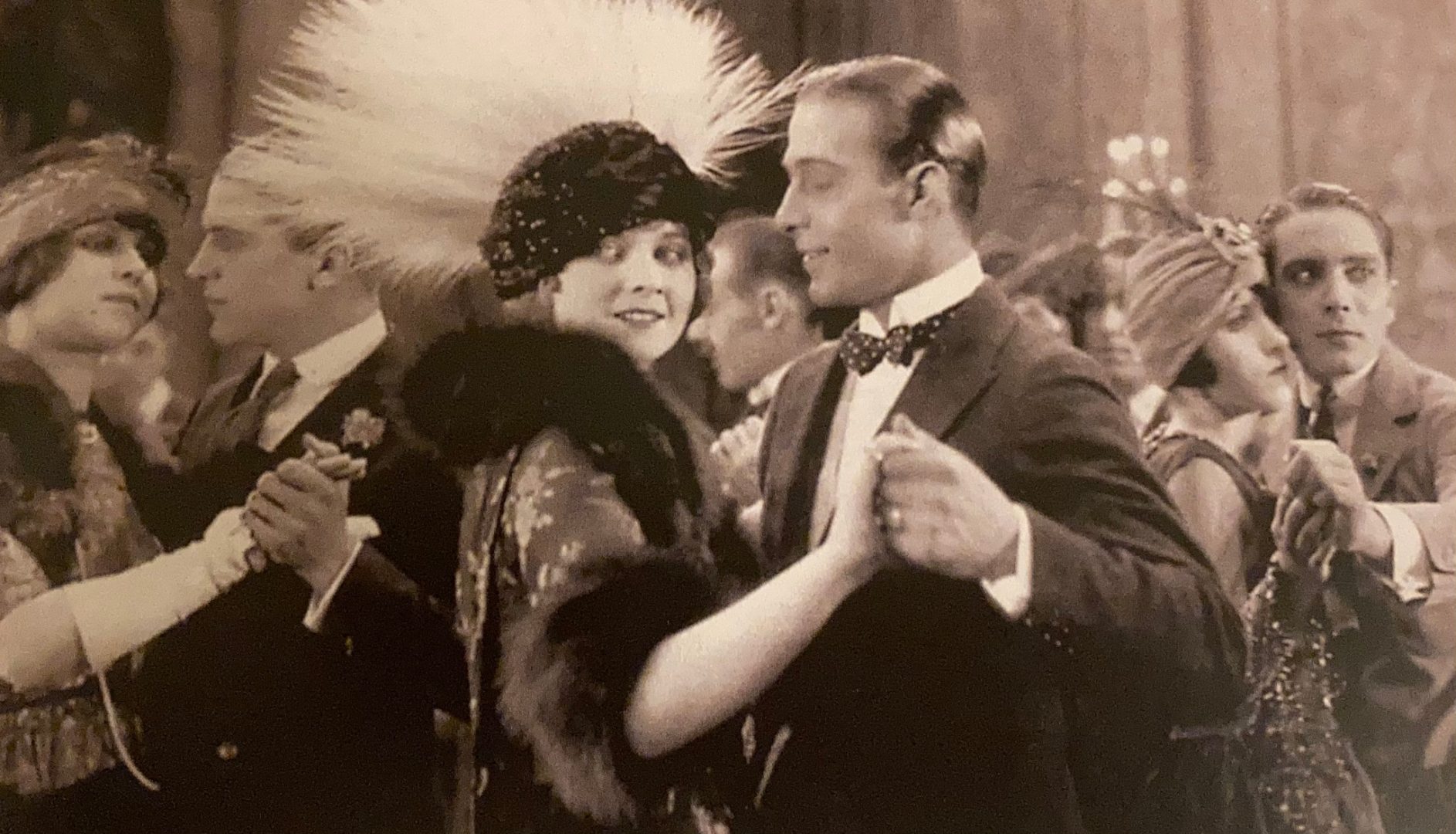
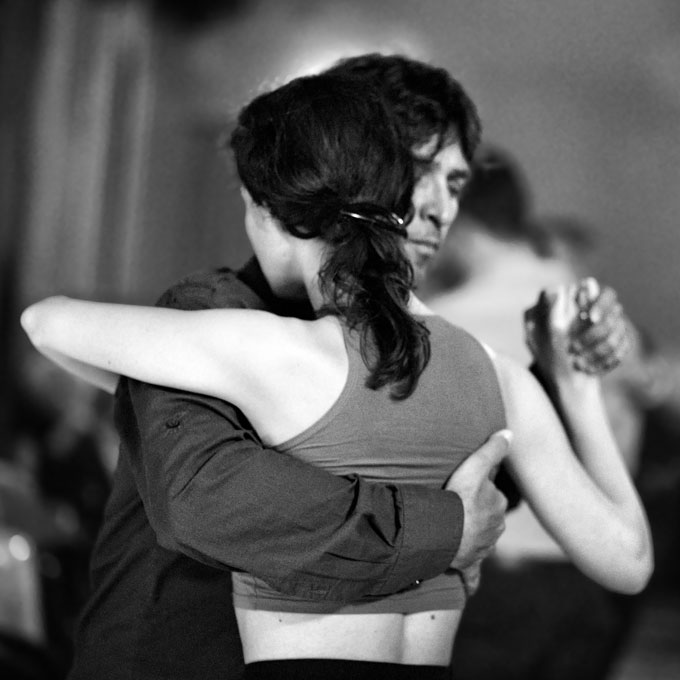
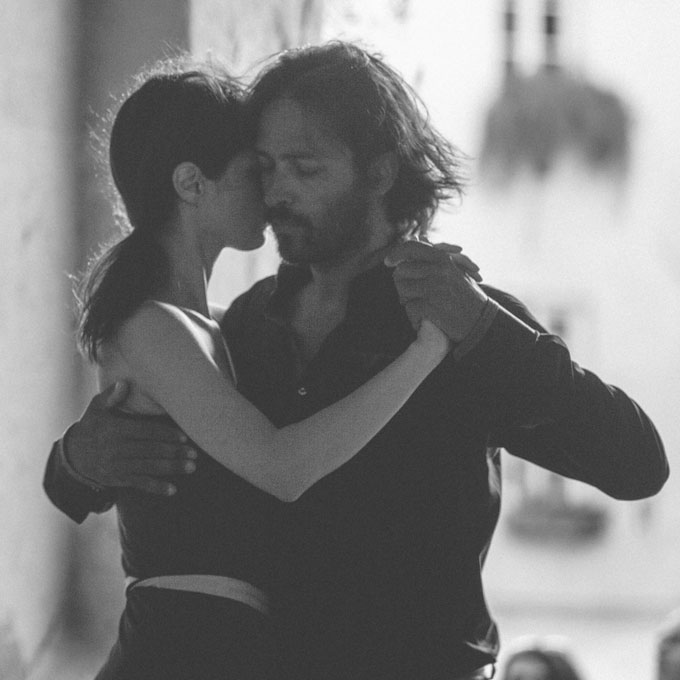
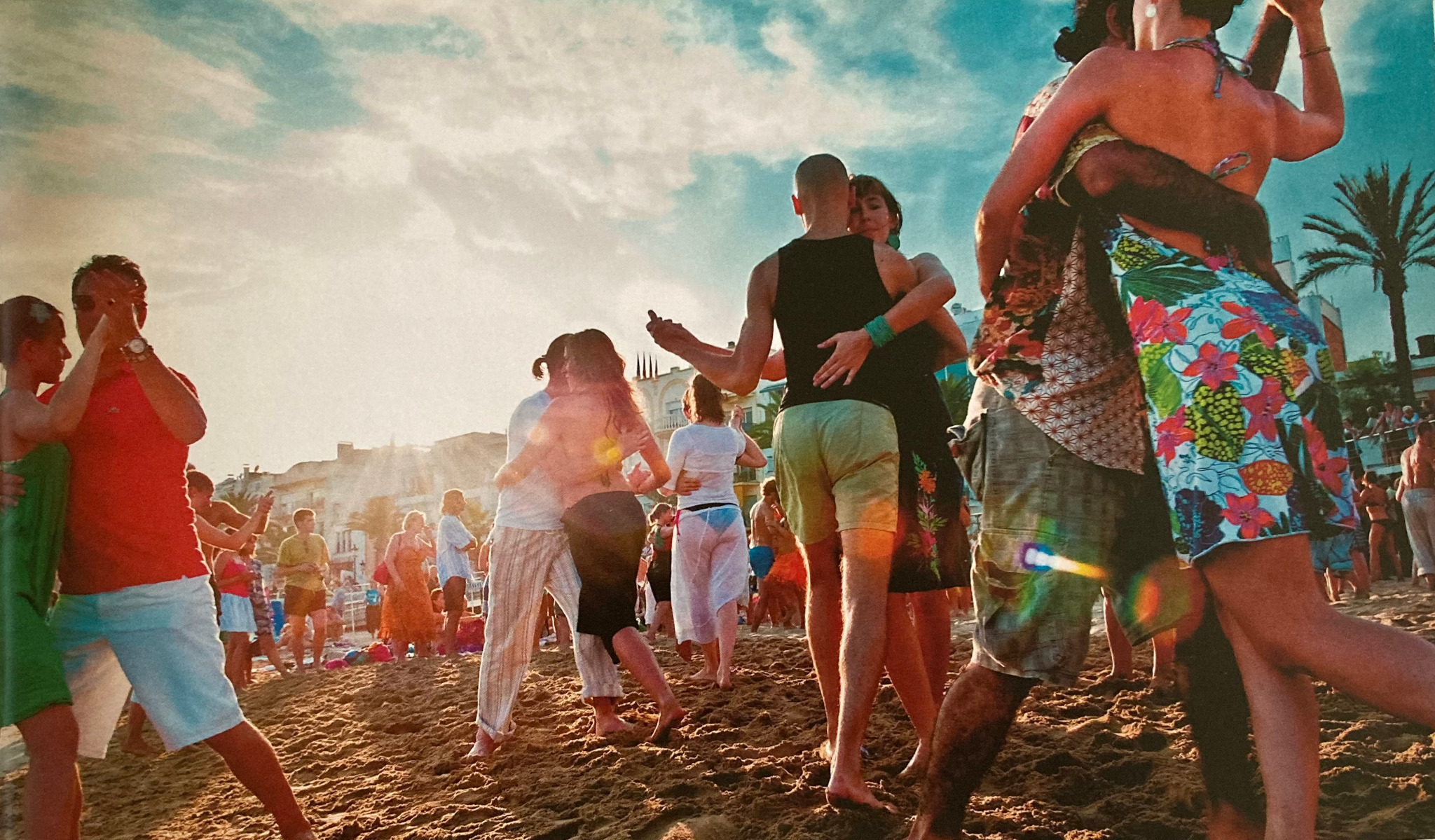
Since 2009 Argentine Tango has been officially recognised by UNESCO as part of the “Intangible Cultural Heritage of Humanity“. It is danced all over the world and keeps enchanting dancers, as well as the simply curious, who are drawn in by its magic. Tango is THE partner dance where connection, sensuality and play are fully intertwined, creating each time a unique and unrepeatable moment. At tango evenings (the milongas) people also dance milonga and vals.
Famous tango songs
Among the most famous songs, loved even by people who don’t dance:
- “Por una cabeza” – Carlos Gardel
- “Lo vi en tus ojos” – Orquesta Típica Víctor
- “La Yumba” – Osvaldo Pugliese
- “Libertango” – Astor Piazzolla
- “Santa Maria” – Gotan Project
Find out more: here is a well-known tango, EL DIA QUE ME QUIERAS, with some curiosities about it and a moving live performance with guitar and voice.
Argentine Tango Classes
Tango Touch Argentine Tango School