Milonga
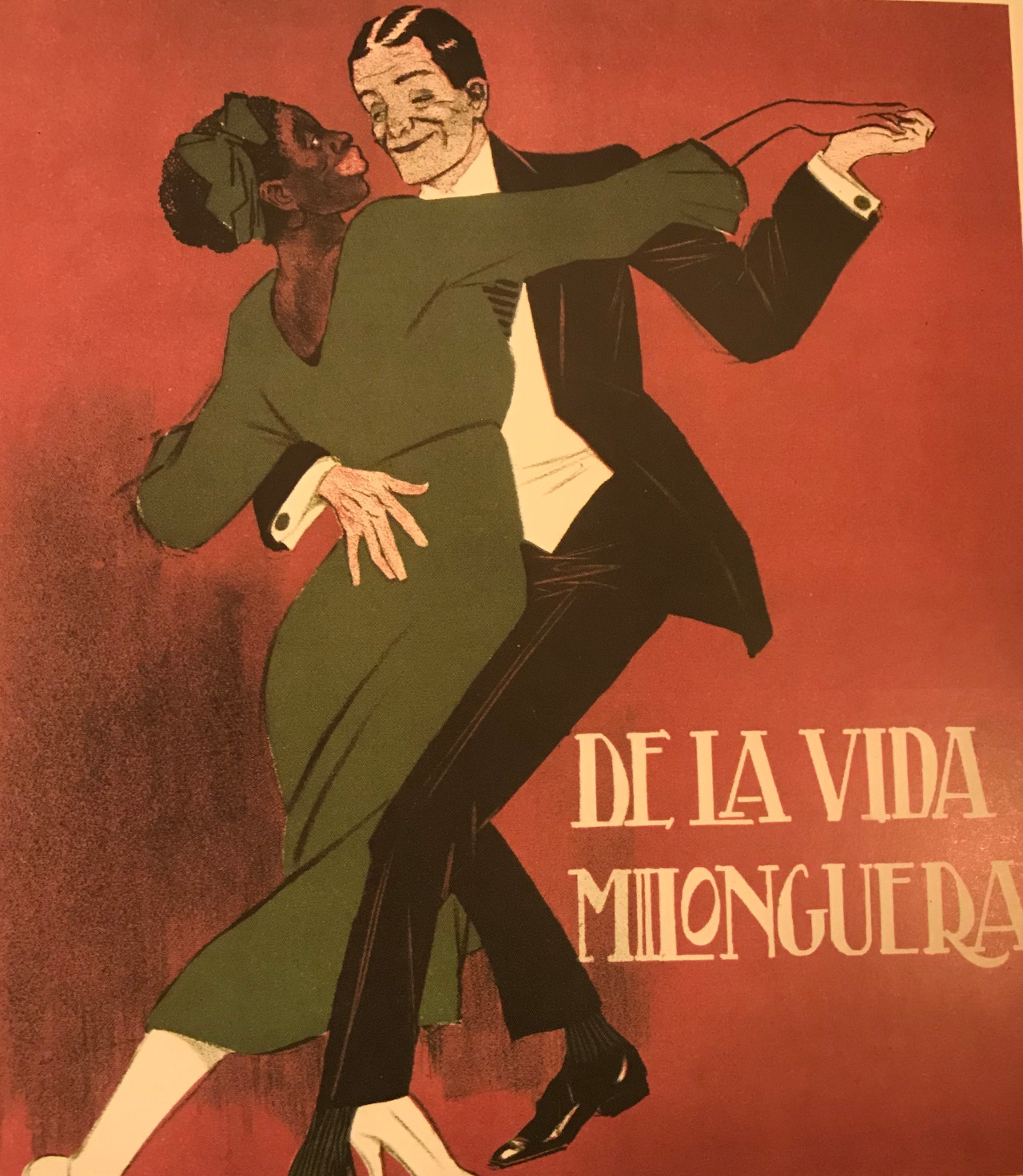
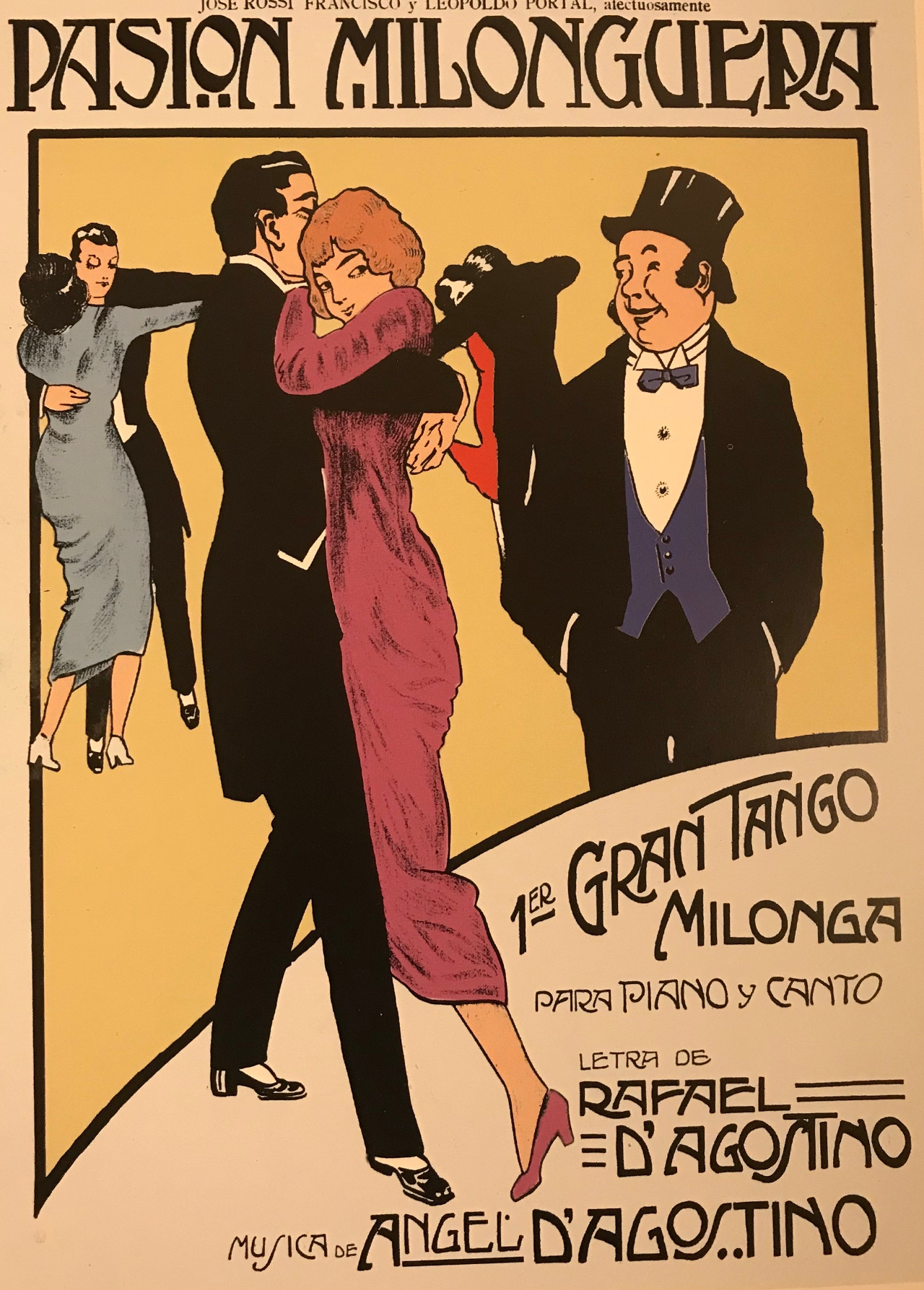
What is milonga? The word has three meanings, all tied to Argentine tango. It is a music genre born in the mid-19th century on the Río de la Plata, with a lively 2/4 rhythm. It is a dance, faster and more playful than tango, full of rhythmic steps. And it is also the evening (or the venue) where people dance: “going to a milonga” means going out to dance tango, vals and milonga.
The origins: from Candombe to Payada
A famous song by the group Bajofondo, quoting the words of the great artist Alfredo Zitarrosa, says: “La Milonga es hija del Candombe así como el Tango es hijo de la Milonga” (milonga is the daughter of candombe, just as tango is the son of milonga).
So a black father, Candombe, and a troubled, now world-famous son, Tango.
These are the two main branches of the family tree of Milonga, which became popular from the mid-1800s, first as a song genre and later as a dance.
If Candombe, the dance of black Argentinians, with its heavy use of drums, can be called the father, then Payada is the mother of our Milonga.
The Payadores were country storytellers, improvisers of sung verses who travelled from village to village with their guitars, often challenging each other in a contrapunto, an improvisation contest.
By blending the African roots of Candombe, the Argentine roots of Payada and the Spanish roots of the Habanera, Milonga was born.
Afro-Argentinians and the birth of the dance
Black roots, then, and the question comes naturally… black people? In Buenos Aires?
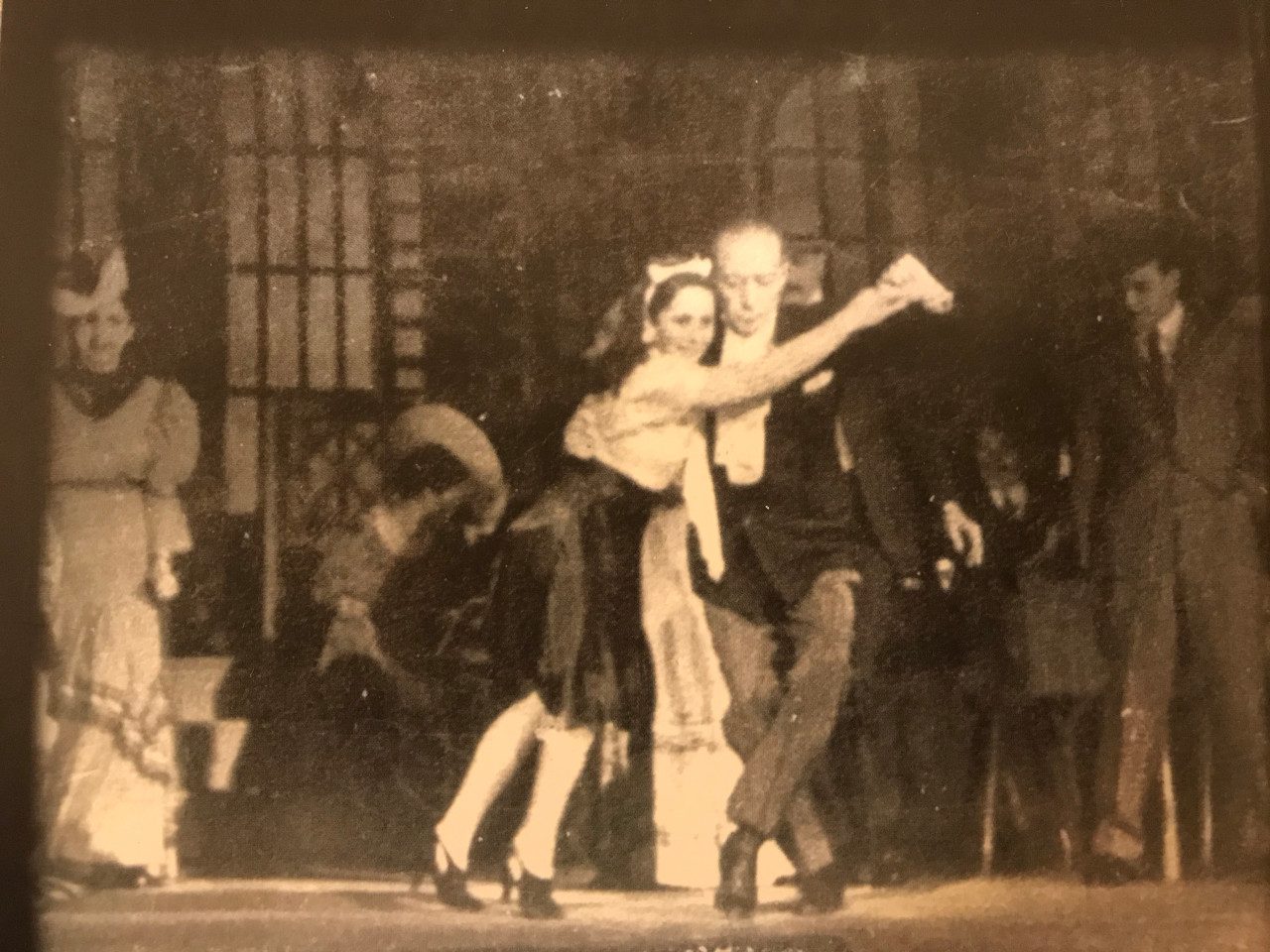
Anyone who has visited the Argentine “city that never sleeps” will surely have noticed how few people of African descent live among today’s Porteños (as the people of Buenos Aires are called). And yet it was the Afro-Argentinians who best interpreted this newborn music as a dance in the second half of the 1800s.
So what happened to all the Afro-Porteños who lived in the capital at that time?
Two events made the population of African origin almost disappear: the war against Paraguay from 1864 to 1870, and the terrible yellow fever epidemic that decimated Buenos Aires in 1870.
As always, wars and epidemics hit the poorest part of the population hardest: the slave trade from Africa had only been abolished in the first half of the century, and the Afro-Argentine descendants of slaves were the first to be sent to fight and the first to fall ill with yellow fever.
What does “milonga” mean?
In everyday language, milonga is also the word for the venues where people dance Tango, Vals and, of course, Milonga. Hence the milonguero: someone who goes from milonga to milonga in a relentless search for the perfect embrace.
Milonga can also mean confusion, a quarrel, but also a lie, a fib, or a small party.
But for tango lovers, milonga means above all dancing!
How to dance milonga

The 2/4 time gives life to a fast dance, full of rhythmic virtuosity.
The elements that best characterize Milonga are the traspié, a reminder of its black origins, sudden changes of direction, the cunita and the baldosa.
Although it was born in the outskirts, over time Milonga gradually moved from the suburbs to the city dance halls, until it became, today, one of the most danced genres at Argentine Tango evenings, where it alternates with Tango and Vals.
Want to try dancing milonga?
In our Argentine tango classes you learn tango, vals and milonga, from your very first steps. Classes in Milan and Livorno, and private lessons too.
Milonga as an evening: tandas and cortinas
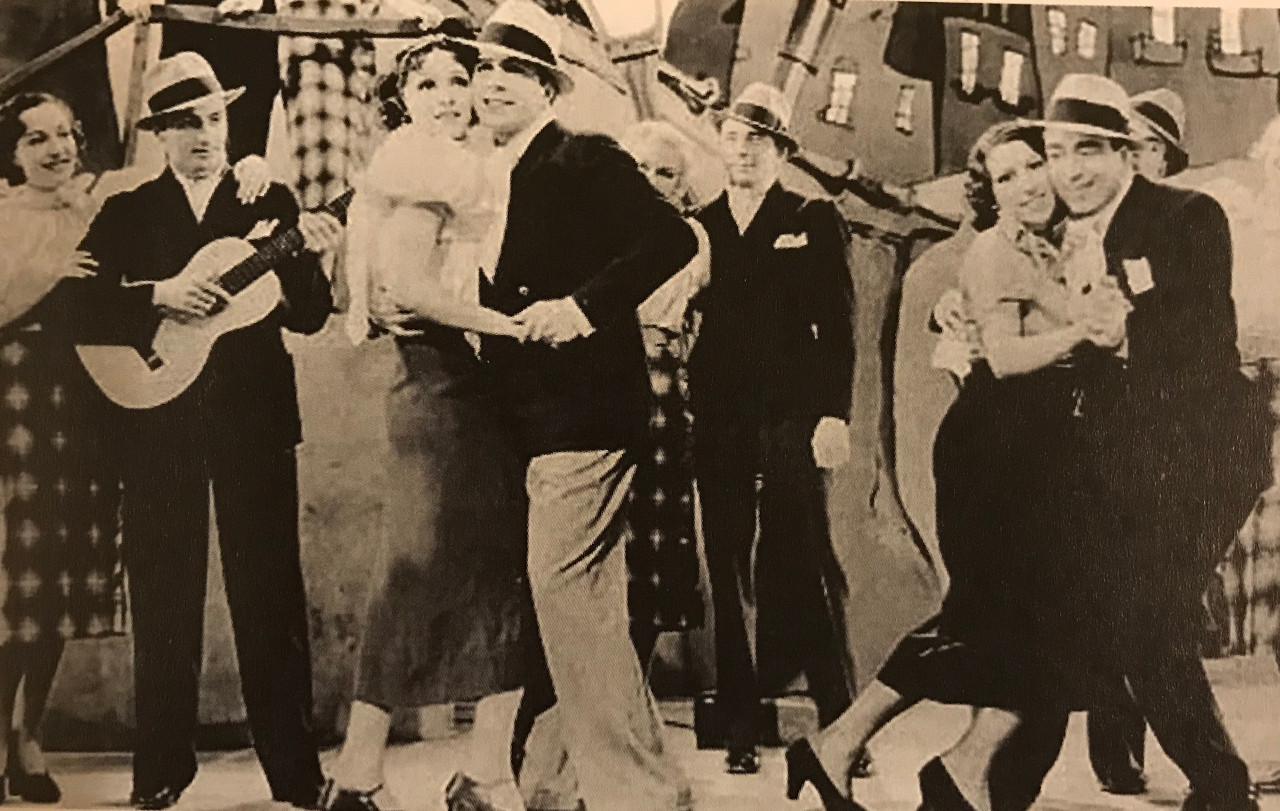
During the endless nights of the tangueros, which often end only at dawn, the musicalizador (the DJ of tango evenings) usually plays four Tango pieces, then three Milongas and three Vals, repeating this sequence all night long. Between one tanda (as these groups of songs are called) and the next there is usually a cortina, a short piece of music of a completely different genre, during which couples split up, thank each other and go back to their seats, ready for new invitations. This is how it works in a traditional milonga porteña and in the more classic European milongas.
Famous milonga songs
Among the most famous milongas:
- Milonga Sentimental (Homero Manzi – Sebastián Piana)
- Milonga de mis amores (Pedro Laurenz)
- La Trampera (Aníbal Troilo)
- Milonga del 900 (Homero Manzi – Sebastián Piana), famous in Francisco Canaro’s version
- Reliquias porteñas (Francisco Canaro)
- La puñalada (Pintín Castellanos), famous in Juan D’Arienzo’s version
Milonga Classes
Tango Touch Argentine Tango School